A vet tech I know tells the same story every winter: an owner calls in a panic because their 14-year-old dachshund got a 100mg gabapentin capsule instead of the 25mg compounded dose the vet had actually written. Nothing tragic happened that time — some wobbliness, a long nap — but it’s the kind of mix-up that happens more than clinics like to admit, mostly because gabapentin comes in human strengths (100mg, 300mg, 400mg) and dogs come in every size from 4 pounds to 140.
That mismatch is exactly why so many people search for a gabapentin 100mg for dogs dosage calculator — they’re not trying to self-prescribe, they’re trying to double-check math before they open a capsule. This guide walks through how that math actually works, what the published ranges look like, and where a calculator helps versus where it can’t replace your vet.
Why the 100mg Strength Trips People Up
Gabapentin isn’t FDA-approved for veterinary use — vets prescribe it “off-label,” using human capsules because a dog-specific version doesn’t widely exist. The 100mg capsule is the smallest commercial strength, which sounds convenient until you do the arithmetic for a small dog. A 100mg capsule given whole to an 8-pound Chihuahua works out to roughly 27mg per kilogram — well above where most pain-dose ranges even start. That’s why compounding pharmacies exist: they turn a 100mg capsule into a 15mg or 20mg dose a small dog can actually handle.
A Gabapentin 100mg for Dogs Dosage Calculator by Weight (General Reference Only)
Veterinary literature reports fairly wide ranges because gabapentin is dosed differently depending on what it’s treating:
| Purpose | Typical Range | Frequency |
|---|---|---|
| Chronic pain / arthritis | 5–10 mg/kg | Every 8–12 hours |
| Post-surgical or nerve pain | 10–20 mg/kg | Every 8 hours |
| Seizure control (adjunct) | 10–20 mg/kg, up to 30 mg/kg in some cases | Every 8 hours |
| Situational anxiety (thunderstorms, vet visits) | 20–30 mg/kg | 1–2 hours before the event |
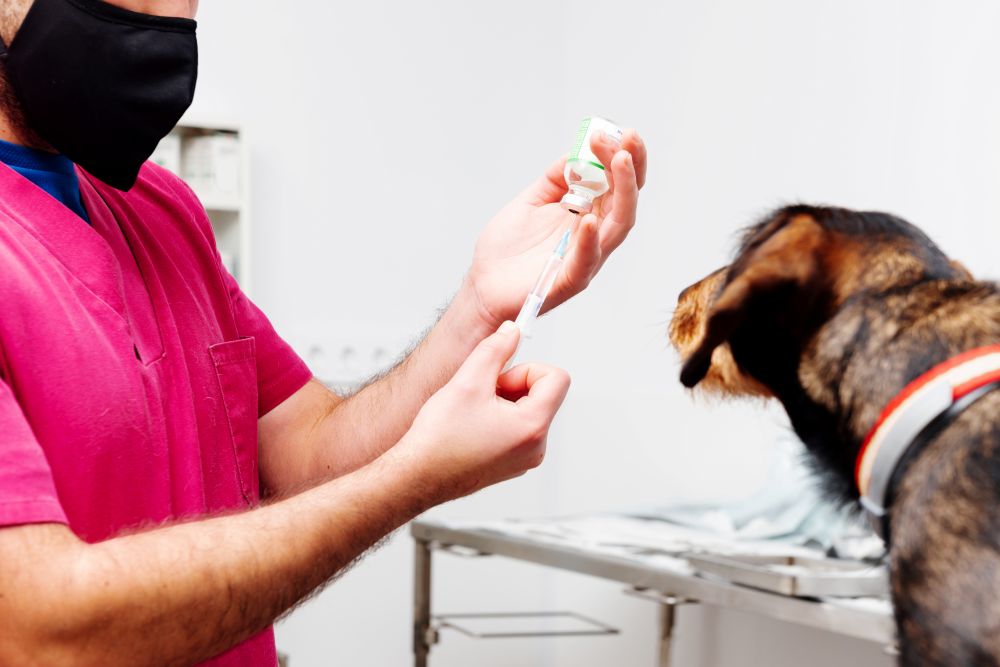
To translate that into a number: multiply your dog’s weight in kilograms (pounds ÷ 2.2) by the mg/kg figure your vet gave you. A 20 kg (44 lb) dog on a 10 mg/kg pain dose needs 200mg per dose — two 100mg capsules. A 6 kg (13 lb) dog on the same 10 mg/kg would need 60mg, which a whole 100mg capsule badly overshoots. This is precisely the kind of rounding error that sends people looking for a calculator in the first place — and precisely why a compounded, dog-specific dose matters more than a clean math result.
What a Calculator Can’t Tell You
No spreadsheet knows your dog’s kidney function, current medications, or whether they’re a fast or slow metabolizer. One clinic’s internal review of gabapentin cases in 2026 flagged that large-breed dogs with existing mobility problems were disproportionately represented among patients who developed noticeable stumbling — a detail no weight-based formula would catch on its own. Gabapentin is cleared largely through the kidneys, which is also why senior dogs and dogs with kidney disease are frequently started at the lower end of a range and monitored closely.
Frequently Asked Questions
Is there an official gabapentin 100mg for dogs dosage calculator by weight? No universal, vet-approved chart exists because dosing depends on the condition being treated, not weight alone. Online calculators can estimate a starting range, but your vet’s written prescription always overrides it.
Can I give my dog my own 100mg gabapentin prescription? Only if your vet has specifically approved the strength and told you how to divide it. Never estimate on your own, and never use liquid human gabapentin — many formulations contain xylitol, which is toxic to dogs.
How fast does gabapentin work in dogs? For anxiety, sedation is often noticeable within 1–2 hours. For chronic pain, full benefit can take one to two weeks of consistent dosing to build up.
What are the most common side effects? Mild sedation and wobbliness (ataxia) are the two reported most often, especially in the first few days or after a dose increase.
Can gabapentin be combined with other medications? Yes, it’s frequently paired with drugs like trazodone for anxiety or NSAIDs for pain, but combinations should always be set by your vet, not decided at home.
The Bottom Line
A dosage calculator is a useful sanity check, not a prescription. Use it to double-check your vet’s math, spot a pharmacy error before it happens, or understand why your Great Dane’s dose looks nothing like your neighbor’s Pomeranian’s. But the number that matters is the one written on the label your vet gave you.
This article is for general educational purposes and is not a substitute for veterinary advice. Always follow your veterinarian’s specific dosing instructions for your dog.