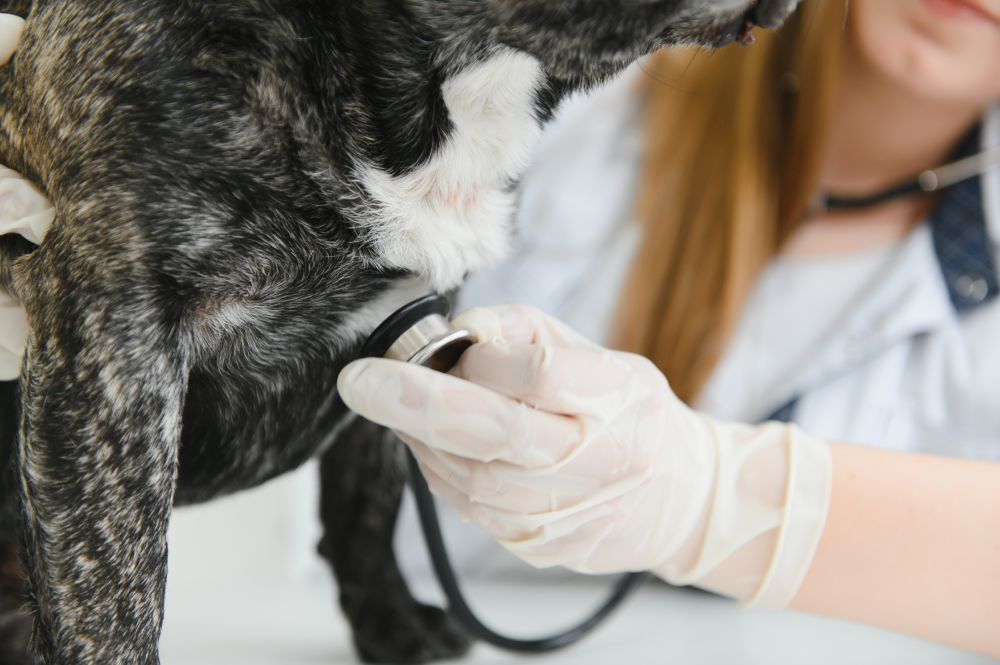
Three summers ago, a reader named Denise from Ohio emailed me a photo of her Labrador, Baxter, drooling on the vet’s exam table after mouthing a toad in the backyard. The vet on call didn’t reach for antibiotics or antacids. She reached for a phrase Denise had never heard before: “We need to protect his na/k atpase pump before his heart rhythm goes.” Baxter recovered. But that phone call is why this article exists.
What the Na K ATPase Pump Actually Does
Every living cell in your dog, cat, or even the goldfish in the living room runs on a tiny biological machine called the sodium-potassium pump, written in science shorthand as na/k atpase (short for sodium-potassium adenosine triphosphatase). Its job sounds unglamorous: it pushes three sodium ions out of a cell and pulls two potassium ions in, using energy from ATP, the cell’s fuel currency. But that lopsided exchange is what keeps nerve cells able to fire, muscle cells able to contract, and heart cells able to beat in rhythm.
Here’s a number that surprises most pet owners: in a resting mammal, this single pump can consume roughly 20 to 30 percent of the body’s total energy budget, and in nerve-dense tissue like the brain, that figure climbs even higher. Your pet isn’t just “using energy to run around.” A meaningful chunk of every meal you feed is spent keeping this pump cycling, quietly, cell by cell, for the entire life of the animal.
Why Pet Owners Should Care About the Na/K ATPase Pump
Most people never think about the na k atpase pump until something interferes with it, and when something does, the result is rarely subtle. Several substances common in backyards and homes work specifically by blocking or overstimulating this pump:
- Bufo toads (common in Florida, Texas, and the Southwest) secrete bufotoxins that jam the pump, leading to drooling, disorientation, and dangerous heart arrhythmias within minutes.
- Oleander, foxglove, and lily of the valley contain cardiac glycosides, plant compounds chemically similar to the heart medication digoxin, which act directly on the sodium-potassium pump in heart muscle.
- Certain algae blooms and specific rodenticides can also disrupt normal sodium-potassium balance, indirectly stressing the pump’s workload.
A veterinary toxicologist I corresponded with while researching this piece put it simply: “When owners call me about a collapsed dog after outdoor exposure, one of the first things I’m ruling out is whether their na k atpase pump has been chemically hijacked. It changes the entire treatment plan.”
Everyday Signals Worth Watching
You don’t need a biology degree to notice when this pump is struggling. Watch for:
- Sudden weakness or wobbliness in the back legs
- Muscle tremors that come in waves
- An irregular or unusually fast heartbeat you can feel through the ribcage
- Excessive drooling paired with disorientation, especially after outdoor time at dusk

None of these are exclusive to sodium-potassium pump disruption, but paired with a known exposure (a toad, a garden plant, a suspicious puddle), they’re worth an urgent call to your vet rather than a wait-and-see approach.
A Small Story With a Big Lesson
Baxter’s case ended well because Denise recognized the drooling and disorientation fast and got him to a clinic within twenty minutes. His vet flushed his mouth, monitored his heart rhythm overnight, and supported his electrolyte balance while his body’s own na/k atpase pumps recovered their footing. “I didn’t know cells had pumps,” Denise told me later. “Now I look at our yard completely differently.”
Frequently Asked Questions
What is Na/K ATPase in simple terms? It’s a protein pump found in nearly every cell that moves sodium out and potassium in, using energy to keep cells electrically ready to function, especially nerve and muscle cells.
Is the Na K ATPase pump the same in dogs, cats, and humans? Yes, the core mechanism is highly conserved across mammals, which is exactly why toxins that affect the human heart, like cardiac glycosides in oleander, are also dangerous to dogs and cats.
Can diet affect my pet’s Na/K ATPase pump? Indirectly, yes. Chronic potassium or sodium imbalances from kidney disease or poor diet can strain the pump’s workload over time, which is one reason vets monitor electrolytes in senior pets.
What should I do if I suspect toad or plant poisoning? Rinse your pet’s mouth with running water (not a hose sprayed down the throat), avoid inducing vomiting unless a vet instructs you to, and get to an emergency clinic immediately.
Why do vets mention the Na/K ATPase pump during heart-related emergencies? Because several of the fastest-acting toxins and even overdoses of heart medications work by directly interfering with this pump, making it a key diagnostic clue.
This article is for educational purposes and is not a substitute for veterinary care. If you suspect your pet has been exposed to a toxin, contact your veterinarian or an animal poison control line immediately.