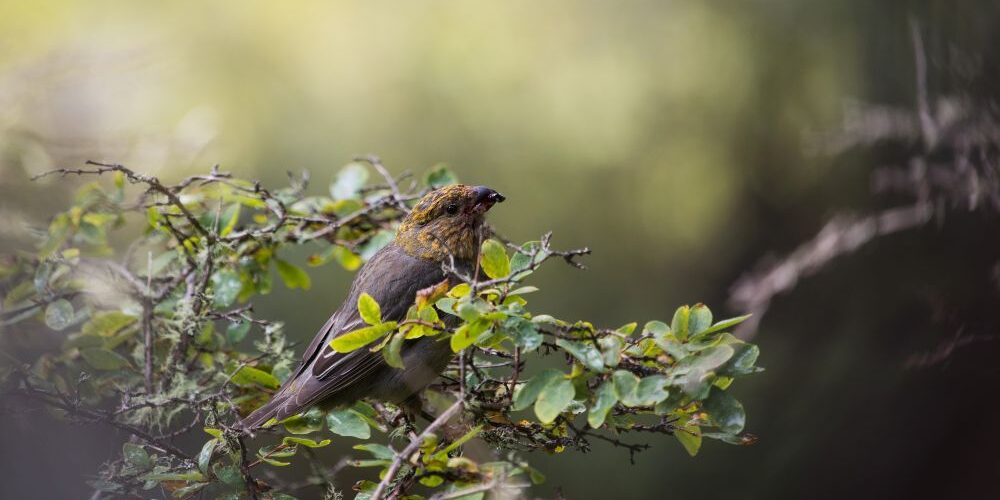
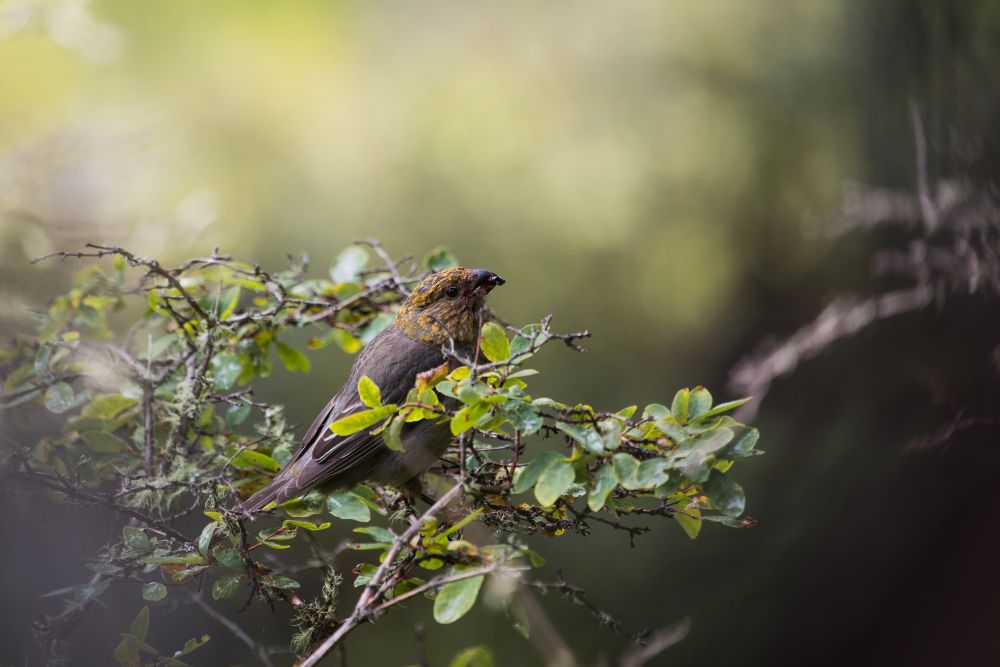
If you’ve ever been sitting on your porch on a quiet spring morning, coffee in hand, and heard a sharp, almost musical whistle cut through the air — only to find nothing obvious in the trees — there’s a decent chance a whistleblow bird was nearby, doing exactly what it does best: making its presence known without making itself easy to find.
I got a message last fall from a reader named Diane, out of Asheville, North Carolina. She’d spent three weekends trying to identify a bird she kept hearing near her wood line. “It sounded like someone blowing a referee whistle, but melodic,” she wrote. “My neighbor thought I was losing it.” Turns out, Diane had a whistleblow bird — or more precisely, a bird locally known by that name — nesting less than forty feet from her back deck.
This article is for people like Diane. Let’s talk about what the whistleblow bird actually is, what draws them to certain yards, and — if you’re thinking about going beyond just watching — what you need to know before you do.
What Exactly Is a Whistleblow Bird?
The term “whistleblow bird” is used regionally across parts of the eastern and midwestern United States to describe birds — most commonly certain thrush or warbler species — known for their unusually sharp, high-frequency calls that carry across surprisingly long distances. The Eastern Wood-Pewee (Contopus virens) and the Wood Thrush (Hylocichla mustelina) are two species that frequently get this nickname in casual birding communities, though the label isn’t a strict taxonomic one.
What binds these birds together under the whistleblow umbrella isn’t taxonomy — it’s behavior. These are birds that vocalize deliberately, often as territory signals, and their calls tend to be single-note or two-note whistles that cut cleanly through ambient forest noise.
The Wood Thrush, for instance, produces a flute-like, three-part call that carries up to 200 meters through dense woodland. The Eastern Wood-Pewee’s “pee-a-wee” call is one of the most recognized sounds in North American forests, yet a surprising number of people have heard it without ever knowing the source.
Where They Live and When You’ll Find Them
Whistleblow birds — in their various regional forms — are largely migratory. In the U.S., most sightings concentrate between late April and early October, with peak activity in May and again in August during southward migration.
Some key habitat facts worth knowing:
- Wood Thrush populations have declined nearly 62% since 1966, according to the North American Breeding Bird Survey. Habitat fragmentation and tropical deforestation on their wintering grounds are the primary culprits.
- They prefer mature deciduous forests with a closed canopy and moist understory. If your yard backs up to woods, edges, or a creek corridor — you’re in their territory.
- Whistleblow-type birds are consistently reported across 30+ U.S. states, with the highest density of sightings in Pennsylvania, Ohio, Tennessee, and the Carolinas.
What Makes Them Different From Common Backyard Birds
Here’s the thing — most backyard bird visitors are opportunists. Sparrows, finches, starlings — they follow the food. Whistleblow birds are more discerning. They don’t typically visit standard tube feeders. They’re drawn to structural habitat features: leaf litter, berry-producing shrubs, standing water, and mature trees.
Tom Ritter, a birding enthusiast in rural Indiana who has been tracking local bird populations for over a decade, put it plainly in an email to our site last spring: “The year I stopped mowing the far corner of my yard and let the wild sumac come in, I got my first confirmed whistleblow bird family. They don’t want a manicured lawn. They want a little wildness.”
That’s genuinely useful guidance. If you want to attract them, you need to think less like a landscaper and more like an ecologist.
Attracting Whistleblow Birds to Your Yard — Practical Steps
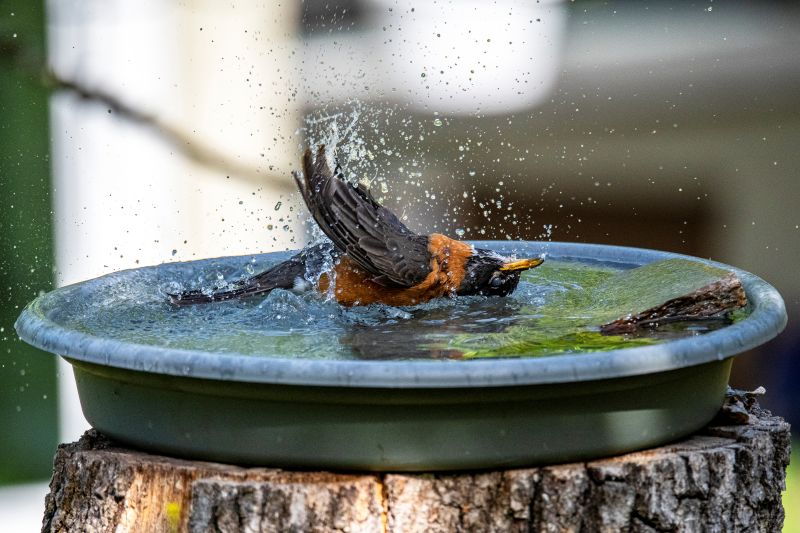
You don’t need to rewild your entire property. Small, intentional changes make a measurable difference:
1. Add a shallow water source. A birdbath with moving water — even a small solar-powered dripper — is extraordinarily effective. Whistleblow-type birds are strongly attracted to the sound of moving water. Keep it shallow (no more than 2 inches deep) and clean it every few days, especially in summer.
2. Plant native berry shrubs. Serviceberry (Amelanchier), native viburnums, and dogwoods provide the fruit these birds depend on during migration. The Audubon Society notes that native plants support up to 35 times more wildlife than non-native ornamentals.
3. Leave leaf litter in place. It sounds counterintuitive for tidy gardeners, but the invertebrates living in leaf litter are a primary food source. A 3–4 inch layer under your trees costs you nothing and pays enormous dividends.
4. Reduce window collision risk. Window strikes kill an estimated 600 million birds annually in the U.S. If you’re working to attract any wild bird to your yard, apply window alert decals or screens to your largest glass surfaces.
Can You Keep a Whistleblow Bird as a Pet?
This comes up more than you’d think, and the answer is clear: no, and it’s federally illegal. All native wild birds in the United States are protected under the Migratory Bird Treaty Act of 1918. You cannot capture, possess, or harm them without a federal permit.
That said, the experience of having them in your yard regularly — especially if you’ve designed the habitat thoughtfully — becomes something very close to a relationship. Birders who create genuine habitat report the same birds returning year after year. That’s not ownership; it’s something more interesting.
Frequently Asked Questions About the Whistleblow Bird
Q: How do I know if the bird I’m hearing is actually a whistleblow bird? The call is your best identifier — a clean, repeating whistle, often two notes, that sounds almost too structured to be natural. Download the Merlin Bird ID app (free, from the Cornell Lab of Ornithology) and use its Sound ID feature. Hold your phone up, and it will identify calling birds in real time.
Q: Are whistleblow birds rare? Some species associated with the name are experiencing genuine population declines — the Wood Thrush in particular. Others, like the Eastern Wood-Pewee, maintain stable populations. Rarity depends heavily on your region and habitat conditions.
Q: What time of day are they most active? Peak vocal activity is at dawn and dusk. If you want to hear them, get outside within 30 minutes of sunrise. That’s when territorial calls are most frequent and distinct.
Q: Will they use a birdhouse? Most whistleblow-type birds are not cavity nesters and won’t use a standard birdhouse. They nest in tree forks or on horizontal branches, typically 6–15 feet off the ground. Dense shrubs and a natural understory matter more than nest boxes.
Q: Is it safe to play their calls to attract them? Use this technique sparingly, if at all. Broadcasting recorded bird calls during breeding season (May–July) can cause unnecessary stress to territorial males. Most experienced birders recommend avoiding it entirely during that window.
Q: My dog keeps scaring them off. Any advice? Keep dogs in during early morning hours if you’re trying to observe backyard birds. Even indoor cats with outdoor access significantly depress local bird populations — domestic cats kill an estimated 1.3–4 billion birds per year in the U.S. It’s one of the more uncomfortable statistics in conservation.
A Final Thought
Diane, from Asheville, sent a follow-up message six weeks after that first email. She’d set up a small water feature near her wood line, let a section of her yard go uncut, and started keeping a morning log. “I’ve now positively identified three whistleblow bird visits this week,” she wrote. “I feel like I made a new neighbor.”
That’s the thing about these birds — they don’t ask for much, and they give back in ways that are genuinely hard to put into words. If your yard has any wild edge to it at all, they may already be closer than you think.
Have you spotted a whistleblow bird in your yard this season? Drop your location and what you saw in the comments — we’d love to build a community sighting map.