There’s a moment every Bernese Mountain Dog owner knows — that slow, heavy head that drops onto your lap, the deep sigh, and the absolute refusal to move even though you’ve been sitting in the same position for two hours. Now imagine that same energy, crossed with something unexpected. That’s what the world of Bernese mixed breeds is all about.
These dogs aren’t a trend. They’re a lifestyle shift.
So, What Exactly Are Bernese Mixed Breeds?
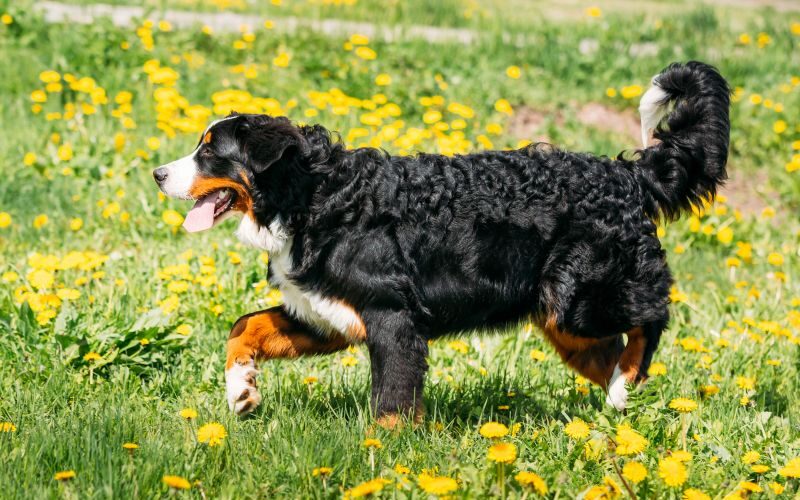
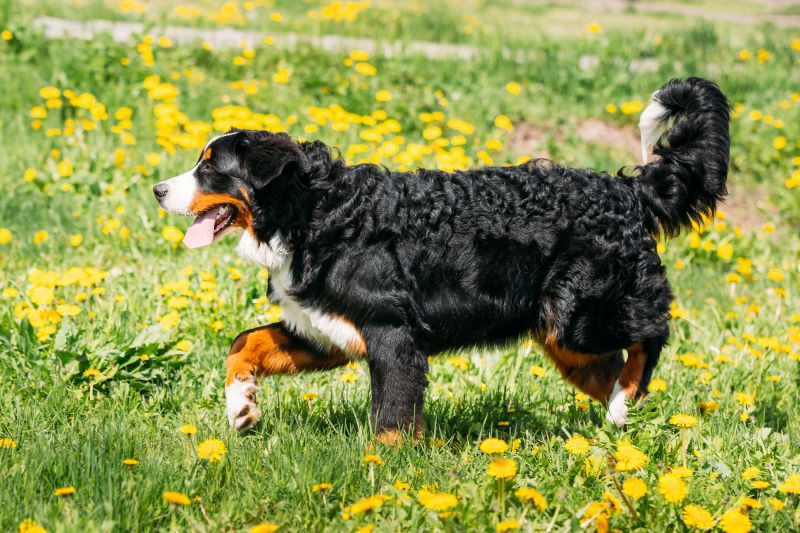
Bernese mixed breeds are dogs with at least one Bernese Mountain Dog parent. The Berner, as fans call them, originated in the Swiss Alps as a working farm dog — built for cold weather, heavy loads, and long companionship. Their tri-colored coat (black, white, and rust), calm temperament, and deep loyalty have made them one of America’s most beloved large breeds.
According to the American Kennel Club, the Bernese Mountain Dog ranks 22nd in popularity out of nearly 200 recognized breeds in the U.S. — and their mixed-breed offspring are gaining just as much traction in family homes, particularly in colder northern states like Minnesota, Colorado, and the Pacific Northwest.
The Most Popular Bernese Mixed Breeds Right Now
1. Bernedoodle (Bernese + Poodle)
The Bernedoodle is arguably the most searched Bernese mixed breed in America right now. The Poodle’s low-shedding coat combined with the Berner’s calm nature creates a dog that’s both allergy-friendlier and remarkably patient with children. Standard Bernedoodles typically weigh between 70–90 pounds, though mini versions (Bernese + Miniature Poodle) are gaining serious ground in apartment-dwelling communities.
Sarah M., a mom of three from Denver, shared her experience: “We got a mini Bernedoodle after our youngest developed allergies. Two years in — zero regrets. She sleeps through thunderstorms and lets my toddler use her as a pillow. I couldn’t have designed a better dog.”
2. Golden Mountain Dog (Bernese + Golden Retriever)
This cross brings together two of America’s most family-oriented breeds. Expect a dog that is emotionally intuitive, heavy-coated, and deeply attached to its people. These dogs typically hit 75–120 pounds at full growth. The downside? Double the shedding. Invest in a quality vacuum before you bring one home — that’s not a suggestion, it’s a survival tip.
3. Borgi (Bernese + Corgi)
A lesser-known but growing mix, the Borgi inherits the Bernese’s coloring and gentle nature but in a more compact, manageable size. If you want the Berner personality without the giant food bill, this cross is worth serious consideration. Average weight lands around 25–50 pounds, making them better suited for smaller homes.
4. Great Bernese (Bernese + Great Pyrenees)
This is a dog for people with acreage. The Great Bernese is calm, protective, and absolutely massive — often exceeding 100–130 pounds. They’re exceptional livestock guardian dogs and deeply bonded to their families, but require space, consistent grooming, and owners who understand independent-minded breeds.
What You Should Know Before Adopting a Bernese Mixed Breed
Bernese Mountain Dogs carry a heartbreaking health truth — their average lifespan is only 7–10 years, and they’re prone to certain cancers, hip dysplasia, and bloat. Depending on what the Berner is crossed with, a mixed breed may inherit improved health outcomes through what’s called hybrid vigor — a real, documented phenomenon where mixed-breed dogs sometimes show fewer inherited health issues than purebreds.
That said, always ask breeders for health testing documentation, specifically OFA (Orthopedic Foundation for Animals) clearances for hips and elbows. This one step separates responsible breeders from backyard operations.
FAQs About Bernese Mixed Breeds
Q: Do Bernese mixed breeds shed a lot? Most do. The Bernedoodle is the exception, depending on which coat type they inherit. Expect moderate to heavy shedding in most other Bernese mixed breeds, especially those crossed with double-coated breeds like Golden Retrievers or Great Pyrenees.
Q: Are Bernese mixed breeds good with kids? Generally, yes. The Bernese temperament — patient, gentle, tolerant — tends to carry through in most mixes. Early socialization still matters.
Q: How big do Bernese mixed breeds get? It depends entirely on the other parent breed. Ranges run from around 25 pounds (Borgi) to 130+ pounds (Great Bernese). Always research both parent breeds before assuming final size.
Q: Are Bernese mixed breeds good for first-time dog owners? Bernedoodles and Golden Mountain Dogs are considered approachable for first-timers due to their trainability. The Great Bernese, however, is better suited to experienced dog owners.
Q: How much exercise do Bernese mixed breeds need? Most need 45–90 minutes of daily activity, broken into walks and play. Despite their size, Berners aren’t high-endurance athletes — and most of their crosses reflect that same moderate energy level.
The Honest Bottom Line
Bernese mixed breeds bring something genuinely rare to the table — size, gentleness, and a quiet kind of loyalty that’s hard to find in smaller, more excitable breeds. They’re not perfect. They shed, they’re expensive to feed, and they don’t live long enough. But the people who have loved one will tell you that none of that math adds up to regret.
If you’re seriously considering a Bernese mixed breed, take the time to find a health-tested litter, ask about both parent breeds, and prepare your home — and your heart — for a dog that will take up more space in both than you ever expected.